Class 1: Definitions and Concepts
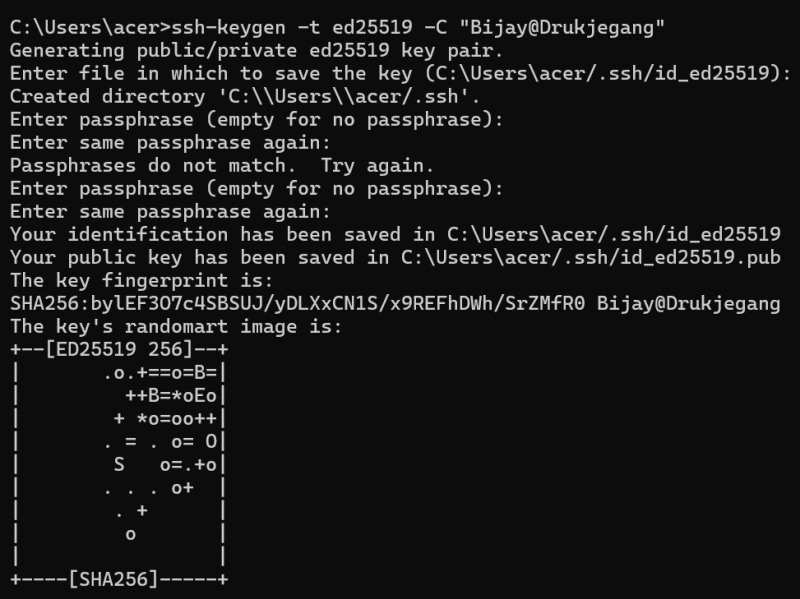
What is the Public Key?
The public key is an asymmetric key that can be shared with anyone. In the context of SSH, it acts like an open padlock that you give to servers so they can recognize and authenticate you later. Since it does not reveal your secret key, it can be shared freely without compromising your security.
What is the Private Key?
The private key is a secret key that should only be known to its owner. It represents your digital identity. While the public key is like a lock, the private key is the only key that can unlock it. It must never be shared with anyone.
What Can This Key Pair Be Used For?
The public and private key pair has several important uses:
Authentication
Proves your identity (such as when logging into a remote server) without sending your password over the network.
Encryption
Anyone can use your public key to encrypt a message, but only your private key can decrypt and read it.
Digital Signatures
You can sign a file using your private key. Others can use your public key to verify that the file was created by you and has not been modified.
Why Must the Private Key Be Protected?
The private key is the proof of your identity. If someone gains access to your private key, they can impersonate you and access any system where your public key has been authorized. Although compromised certificates and keys can be revoked, the process can be difficult, and significant damage may occur before the key is revoked.